Blog &
Expertise
Entdecke Trends, Insights und Best Practices aus der Welt der Events und digitalen Erlebnisse.

Warum das richtige Eventformat über Erfolg oder Misserfolg entscheidet
Erfahre, warum Eventformate entscheidend für Wirkung und Engagement sind und wie das richtige Eventformat ein Event unvergesslich macht.
Mehr erfahren
Eventbudget-Planung: Die 20 wichtigsten Fragen beantwortet
So planst du dein Eventbudget realistisch und stressfrei. 20 Antworten auf die häufigsten Fragen rund ums Eventbudget.
Mehr erfahren
Micro-Erlebnisse auf Events: Kürzere Sessions, stärkere Wirkung
Kürzere Sessions, mehr Wirkung "" erfahre, warum Micro-Erlebnisse der Schlüssel zu intensiveren und unvergesslichen Event-Erlebnissen sind.
Mehr erfahren
Was ist eine Event-Strategie und warum sie unverzichtbar für den Erfolg ist
Eine starke Event-Strategie macht den Unterschied zwischen einem gut aussehenden Event und einem geschäftsfördernden Event aus.
Mehr erfahren
Wetter-Notfallplanung für Outdoor-Events
Wetter ist eine unkontrollierbare Variable bei Events. Aber mit einer Notfallplanung muss es deinen Event-Erfolg nicht entgleisen lassen.
Mehr erfahren
DSGVO-konforme Event-Daten: Insights ohne Rechtsverstöße 2025
Navigiere sicher durch DSGVO im Event-Marketing. Strategien für konforme Datensammlung, Consent-Management und Teilnehmer-Insights.
Mehr erfahren
Event-Differenzierung: Hervorstechen ohne großes Budget
Entdecke, wie deine Events in übersättigten Märkten hervorstechen. Budget-freundliche Taktiken für Differenzierung und höhere Teilnahmequoten.
Mehr erfahren
Event ROI jenseits von Lead-Generierung: Die Metriken, die wirklich zählen
Gehe über Lead-Zählung hinaus mit strategischer Event-ROI-Messung. Lerne 7 Metriken, die CMOs zur Budget-Rechtfertigung nutzen.
Mehr erfahren
Das Metaverse für B2B-Events in 2025: Was tatsächlich funktioniert
Entdecke, welche Metaverse-B2B-Event-Technologie 2025 funktioniert. Lerne, was funktioniert, was scheiterte und wann investieren lohnt.
Mehr erfahren
Emotionale Erfahrung in Events: Warum sich Teilnehmer:innen nur daran erinnern, wie du sie sich fühlen ließt
Hier erfährst du, warum Teilnehmer nur Gefühle erinnern. Entdeckt die Neurowissenschaft emotionalen Event-Designs für Geschäftserfolg.
Mehr erfahren
Die 7-Sekunden-Regel im Event-Design: Wie erste Eindrücke das Engagement der Teilnehmer:innen prägen
Die 7-Sekunden-Regel transformiert das Teilnehmer-Engagement. Psychologie-basierte Taktiken für wirkungsvolle erste Eindrücke lernen.
Mehr erfahren
Event-Budgeting: 7 Dinge, die du 2025 richtig machen musst
Hier sind 7 essenzielle Strategien für erfolgreiches Event-Budgeting. Setzt dein Budget gezielt ein und steigert den ROI deines Events.
Mehr erfahren
Die Kunst des Event-Flows: Nahtlose Übergänge meistern
Erfahre, wie Event-Flow und clevere Übergänge Deine Veranstaltung auf das nächste Level bringen "" für ein rundum stimmiges Erlebnis.
Mehr erfahren
Warum dein Unternehmen ein eigenes Live-Streaming-Studio braucht
Mach dein Unternehmen zu einem Content-Powerhouse mit einem professionellen Inhouse-Streaming-Studio by PIRATEx.
Mehr erfahren
9 Event-Trends, die 2025 prägen: Von KI bis zu multisensorischen Aktivierungen
Bleib auf dem neuesten Stand mit diesen Event-Trends, die neu definieren, wie wir Events gestalten, produzieren und erleben.
Mehr erfahren
8 Tipps, wie Du den besten Pitch-Wettbewerb auf die Beine stellst
Mach aus Deinem Pitch-Wettbewerb eine unvergessliche Bühne, auf der großartige Ideen das Rampenlicht bekommen, das sie verdienen.
Mehr erfahren
Warum Event-Wow-Momente ROI steigern: Kosten vs. Wert
Erfahre, warum Event-Wow-Momente ROI steigern. Entdecke budgetfreundliche Wege für unvergessliche Erlebnisse und Event-Erfolg.
Mehr erfahren
Inklusive Events: Einladende Räume für alle
Transformiere deine Events mit Inklusivitäts-Best-Practices. Lerne barrierefreie, einladende Erlebnisse für inklusive Events zu gestalten.
Mehr erfahren
Live Event Marketing: Teilnehmer zu Botschaftern machen
Live Event Marketing: Wie du während deines Events authentischen Content erstellst und Teilnehmer zu aktiven Markenbotschaftern machst.
Mehr erfahren
5 Top-Locations für Gaming-Events in Köln während der Gamescom
Du planst exklusive Gaming-Events in Köln während der Gamescom? Entdecke 5 Locations für Partys, Launches & Networking auf höchstem Niveau.
Mehr erfahren
Gen Z ist da "" spricht deine B2B-Eventstrategie noch Millennial?
Gen Z verändert B2B-Events radikal. Erfahre, was jetzt nicht mehr funktioniert "" und wie du die neue Generation wirklich erreichst.
Mehr erfahren
Event-Marketing-Arc: Spannungsaufbau fürs Event, der wirkt
Mit einer strategischen Event-Marketing-Arc erzeugst du Spannung, baust Momentum auf und steigerst die Anmeldungen für dein Event.
Mehr erfahren
Messe-ROI: Warum Marken dem Messestand den Rücken kehren und auf intime Erlebnisse setzen
Warum Marken den ROI von Messen neu überdenken und sich auf intime Veranstaltungserlebnisse verlegen, die echte Ergebnisse liefern.
Mehr erfahren
Event-Marketing: So baust du den perfekten Spannungsbogen vor deinem Event auf
So baust du einen effektiven Marketing Spannungsbogen auf "" und machst dein Event schon vor dem Start zum Highlight für deine Zielgruppe.
Mehr erfahren
Warum Events während der gamescom deine geheime Marketingwaffe sind
Entdecke, warum Events während der Gamescom deine Marke auf das nächste Level bringen "" von Networking-Dinners bis hin zu Afterpartys.
Mehr erfahren
Event Branding: So verwandelst du deine Veranstaltung in eine unvergessliche Marke
Entdecke, wie du mit strategischem Event Branding deine Veranstaltung von der Masse abhebst. Praxistipps für Namen, Motto & Storytelling.
Mehr erfahren
Warum jede Messe eine Startup-Area braucht: Innovation fördern, Besucher:innen anziehen und Investor:innen gewinnen
Entdecke, wie eine Startup-Area auf deiner Messe die Besucherzahlen steigert, Investoren anzieht und dein Event zukunftssicher macht.
Mehr erfahren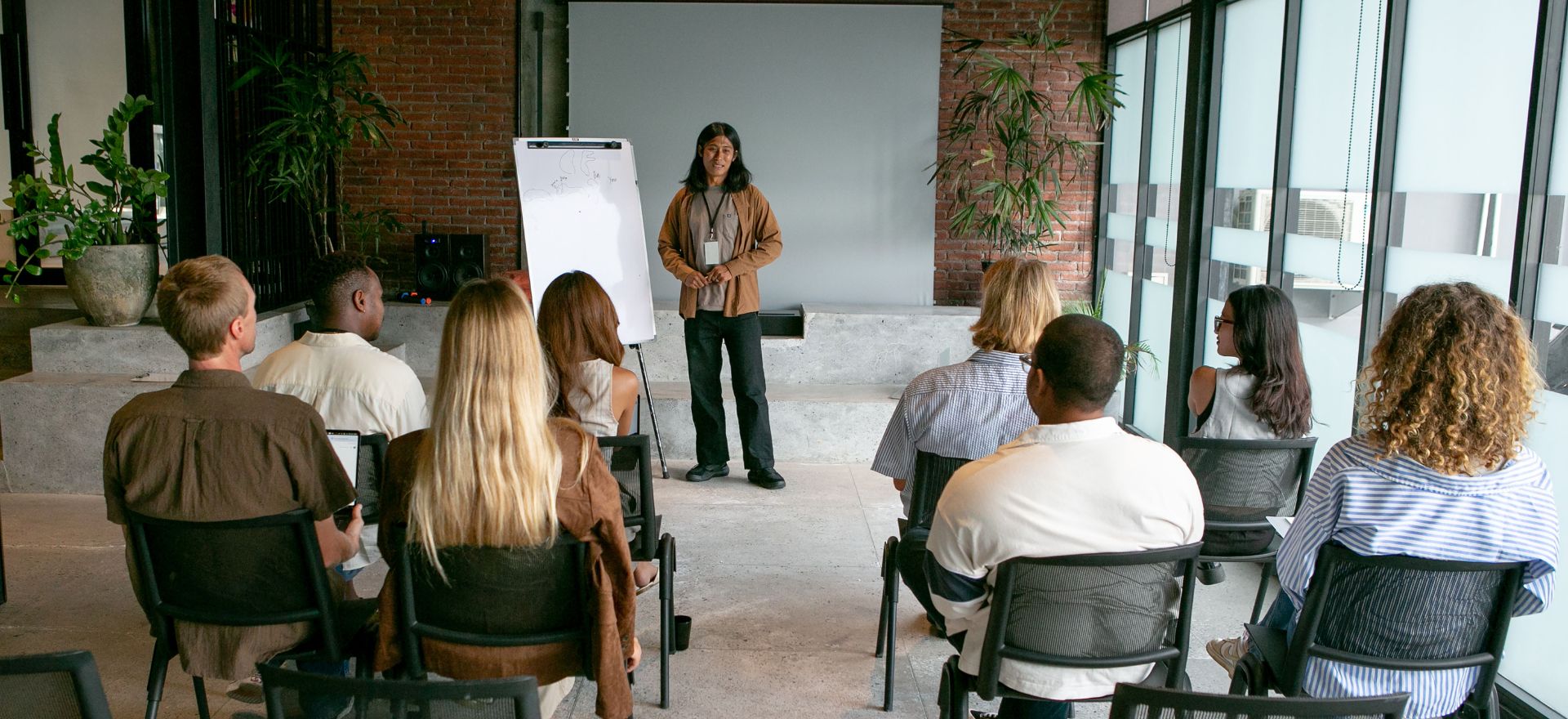
Eventplanung Strategie: Der ultimative Guide für erfolgreiche Veranstaltungen in 2025
Eine Eventplanung Strategie hilft dir, Ressourcen effizient einzusetzen, Risiken zu minimieren und unvergessliche Erlebnisse zu schaffen.
Mehr erfahren
10 Kreative Ideen zur Gestaltung eines unvergesslichen Rahmenprogramms
10 innovative Ideen für dein Rahmenprogramm: Von Food-Truck-Festivals bis Team-Challenges. Mach dein Event zum unvergesslichen Erlebnis!
Mehr erfahren
Arten von Events: Die wichtigsten Eventformate im Überblick | PIRATEx
Welche Arten von Events gibt es? Dieser Überblick zeigt die wichtigsten Eventformate für Unternehmen und wann welches Format sinnvoll ist.
Mehr erfahren
Q1-Kickoff-Veranstaltungen gestalten, die den Ton für den Erfolg angeben
Hier ist wie du Q1-Kickoff-Veranstaltungen gestaltest, die zu Handlungen inspirieren und Teams bereit für das kommende Jahr machen.
Mehr erfahren
Wie moderne Event-Agenturen das Eventmanagement neu definieren
So definieren moderne Event-Agenturen das Eventmanagement im Jahr 2025 neu. Am Beispiel von PIRATEx, einer Eventagentur in Köln.
Mehr erfahren
Nachhaltige Firmen-Weihnachtsfeier: 8 umweltfreundliche Tipps für 2024
Die Planung einer nachhaltigen Firmen-Weihnachtsfeier bedeutet nicht, dass man auf festliche Stimmung verzichten muss. 8 Tipps für 2024.
Mehr erfahren
Maximiere die Networking-Möglichkeiten bei deiner Veranstaltung (+ 5 Networking-Formate)
Effektive Networking-Möglichkeiten machen aus einer guten Veranstaltung eine außergewöhnliche. Hier sind 5 Ideen für Networking-Formate.
Mehr erfahren
Mehr als nur Weihnachtsfeiern: Strategische Events zum Jahresende für Unternehmen
Wir erkunden, wie du deine Events zum Jahresende in strategische Events verwandeln kannst, die Kundenbeziehungen stärken
Mehr erfahren
Der Aufstieg der KI in der Eventbranche
Der Aufstieg der KI in der Veranstaltungsbranche markiert eine neue Ära der Innovation im Veranstaltungsmanagement. (+FAQ)
Mehr erfahren
Strategien für Engagement nach deiner Veranstaltung, um das Interesse am Leben zu erhalten
Engagement nach der Veranstaltung ist nicht nur ein „nice-to-have", sondern ein „must-have" für den Erfolg von Veranstaltungen. ✅
Mehr erfahren
Die Kunst des Teilnehmenden Experience Designs bei Unternehmensveranstaltungen
Die Kunst des Experience Designs geht dahin, wichtige Momente zu schaffen und die Teilnehmer in den Mittelpunkt der Eventplanung zu stellen.
Mehr erfahren Die Kraft der "Drei I's" zur Transformation des Wissenstransfers bei Veranstaltungen
Die „Drei I's": Inspiration, Information und Interaktion. Diese Säulen die Basis für einen erfolgreichen Wissenstransfer bei Veranstaltungen.
Mehr erfahren
5 fesselnde Veranstaltungsformate für deine nächste Veranstaltung
Entdecke 5 fesselnde Veranstaltungsformate: Power Talk, Sofa Session, Pecha Kucha, Pitch Competition und Out-of-the-Box Keynote.
Mehr erfahren
Verbessere dein Event: 7 Gamification-Strategien zur Steigerung der Teilnahme
7 Gamification-Ideen, die Corporate Events von passiven Erlebnissen zu interaktiven, unvergesslichen Ereignissen machen können.
Mehr erfahren
Strategisches Event-Marketing: Vom Save-the-Date zum Must-Attends
Meistere strategisches Event-Marketing, um deine Veranstaltung vom Konzept zum ausverkauften Erfolg zu machen.
Mehr erfahren
Revolutionierung von Messen: 5 innovative Veranstaltungsformate für ein modernes Publikum
Die Zeit der traditionellen Messen ist vorbei, nun sind neue Veranstaltungsformate gefragt, um ein modernes Publikum anzuziehen.
Mehr erfahren
Finde den WOW-Faktor für Dein Event: Unvergessliche Erlebnisse, die FOMO erzeugen
Ein starker Wow-Faktor hilft deinen Veranstaltungen, sich von anderen abzuheben. Hier erfährst du, wie du einen Wow-Faktor findest.
Mehr erfahren
Die Ausarbeitung eines Unique Selling Points (USP) für Dein Event
Ein starker Event USP ist ein wichtiges Mittel, um Teilnehmer anzuziehen und den Erfolg der Veranstaltung sicherzustellen. | 5 Tipps
Mehr erfahren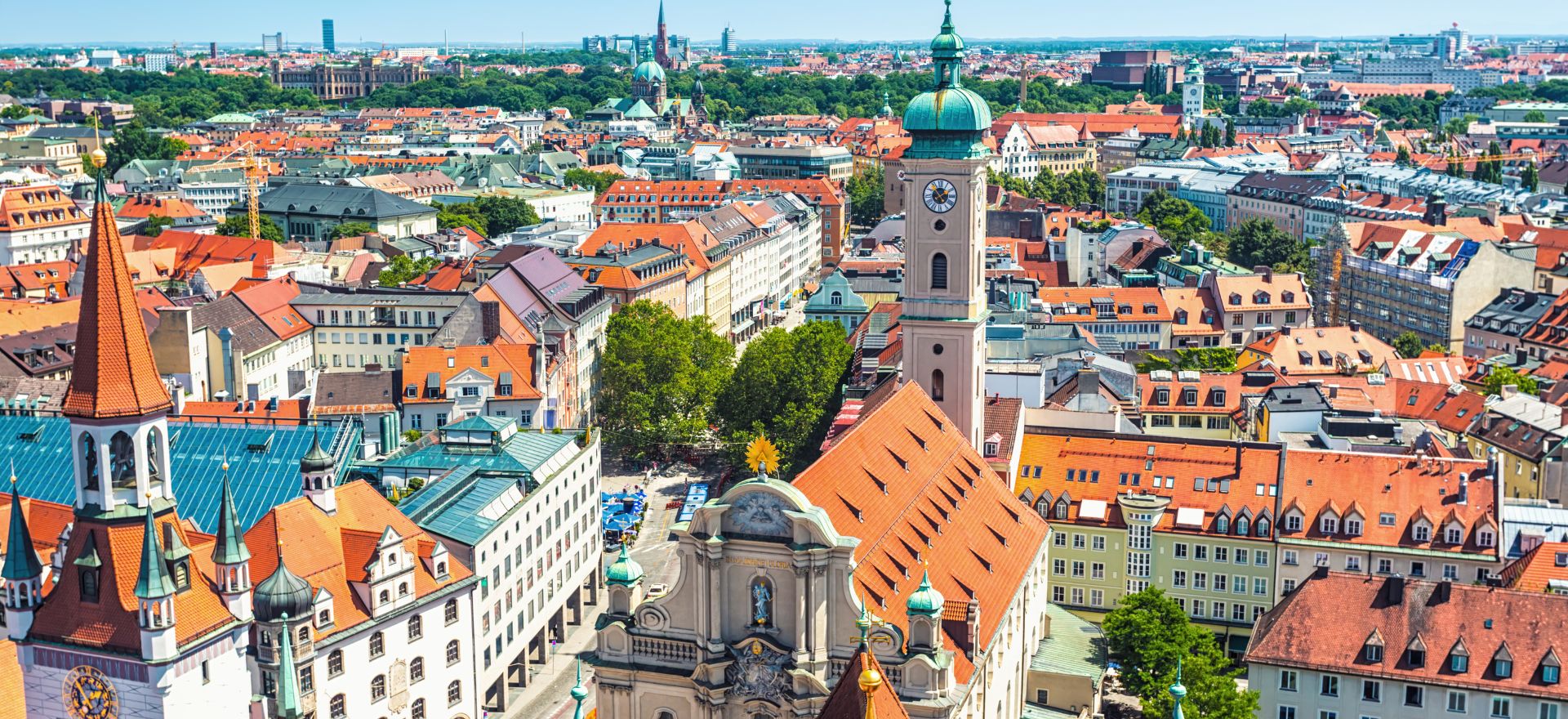
10 unvergessliche Eventlocations in München
Diese 10 Eventlocations in München bieten eine ganz besondere Atmosphäre und eignen sich für die unterschiedlichsten Veranstaltungsformen.
Mehr erfahren
Dein Veranstaltungspublikum verstehen: Strategien für den Erfolg
Dein Veranstaltungspublikum zu verstehen, ist der Grundstein für eine erfolgreiche Veranstaltung. Hierzu gibt es einige Tipps & Strategien.
Mehr erfahren
Die richtigen Ziele für Veranstaltungen festlegen: Eine Schritt-für-Schritt-Anleitung
Die Festlegung klarer Ziele für eine Veranstaltung ist die Grundlage für eine erfolgreiche Veranstaltung. [Tipps]
Mehr erfahren
Conscious Conferencing: Ein Paradigmenwechsel im Konferenzsmanagement
Bewusste Konferenzplanung: Entdecke Conscious Conferencing und erfahre, wie du Veranstaltungen erstellst, die die Welt positiv beeinflussen.
Mehr erfahren
Teilnehmerzufriedenheit: 5 kostenfreie Ideen für dein nächstes Event
Booster deine Teilnehmerzufriedenheit! 5 kostenfreie Ideen für Atmosphäre, Technik & mega Engagement deiner nächsten Veranstaltung.
Mehr erfahren
Mehr als "gut genug": Mach deine Events besser
Niemand hat die Zeit für langweilige, traditionelle Konferenzen. Es ist Zeit für bessere Events, die die Teilnehmer überraschen.
Mehr erfahren
Warum sind Events wichtig?
Events sind wichtig, und hier sind die Gründe dafür. Persönliche Begegnungen bieten einzigartige Möglichkeiten, Kontakte zu knüpfen und mehr.
Mehr erfahren
12 Event Apps, die dein nächstes Event verbessern
Optimiere das Eventmanagement, verbessere die Beteiligung der Teilnehmenden und sammle wertvolle Erkenntnisse mit diesen 12 Event-Apps!
Mehr erfahren
12 Nachhaltige Eventlocations in NRW
Auf der Suche nach nachhaltigen Eventlocations für Ihr nächstes Event? Hier finden Sie 12 nachhaltige Eventlocations in NRW.
Mehr erfahren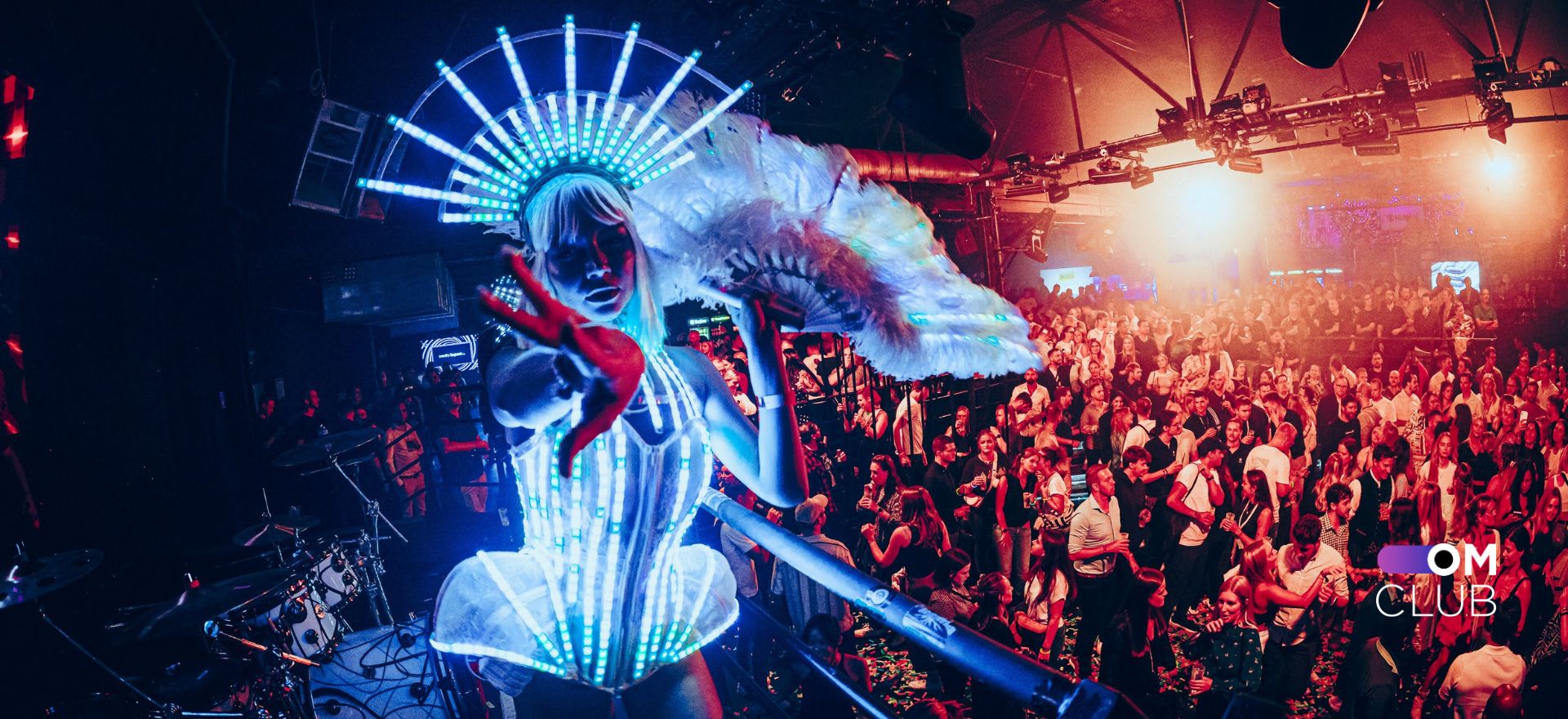
Ein erfolgreiches Event-Konzept erstellen: eine OMClub Studie
Ein erfolgreiches Event-Konzept für deine nächste Veranstaltung ist der Schlüssel zu einem unvergesslichen Moment. | Ein Beispiel des OMClub.
Mehr erfahren
Neue Veranstaltungsformate entdecken: Die Reise der Eventagentur PIRATEx
PIRATEx, eine Event-Agentur, erkundet die neuen Veranstaltungsformate, die dem digitalen Wandel in der Event-Branche im Jahr 2020 folgen.
Mehr erfahren
8 Ideen für deine Last-Minute Firmenweihnachtsfeier!
8 Last-Minute-Ideen für deine Firmenweihnachtsfeier - Teamaktivitäten, Spiele und Spaß für alle! Perfekt für die Weihnachtsstimmung im Büro.
Mehr erfahren
Nachhaltigkeit in Veranstaltungskonzepten: Umweltfreundliche Ideen für durchdachte Events
Erstelle nachhaltige Veranstaltungskonzepte und entdecke unsere Tipps, wie du die Umweltauswirkungen deiner Veranstaltung reduzieren kannst.
Mehr erfahren
5 Tipps, wie du bestehende Event-Konzepte neu denken kannst
Tauche ein in die Welt der Event-Konzepte. Entdecke innovative Strategien, um Events mit Event-Bausteinen neu zu denken.
Mehr erfahren
"How-To Interact"- Wie du für mehr Interaktion zwischen Publikum und Bühne sorgst.
Falls du dich fragst, wie du die Interaktion mit dem Publikum bei deinen nächsten Events am besten gewährleisten kannst, lies weiter!
Mehr erfahren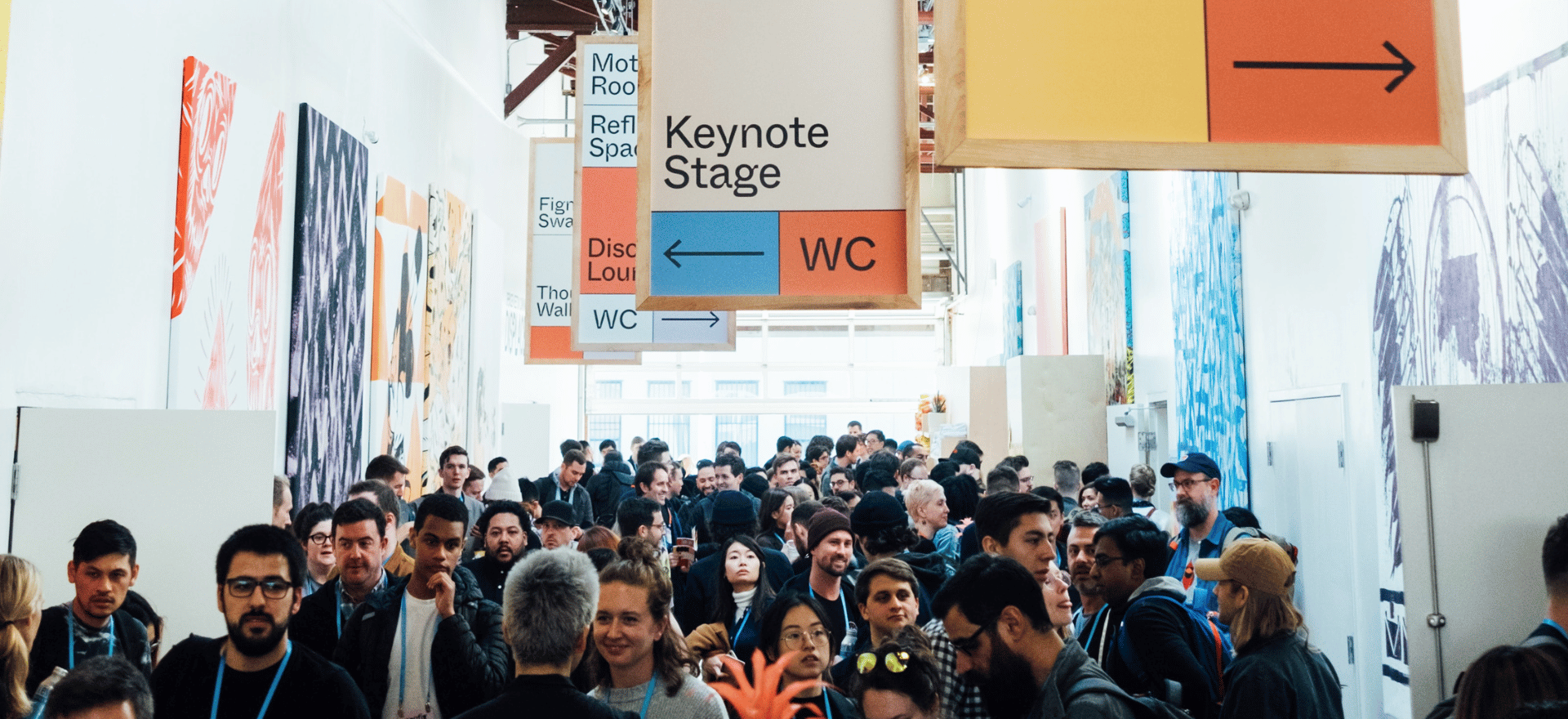
Nutze die Macht von Veranstaltungen, um deine Kommunikationsstrategie zu verbessern
Entdecke die Macht der Events: Stärke deine Kommunikationsstrategie mit emotionalen Berührungspunkten und wertvollen Inhalten.
Mehr erfahren
Eventlocations in Köln: 18 Orte für unvergessliche Erlebnisse
Suchst du eine Eventlocation in Köln? Hier sind 18 unserer Lieblingsorte, die deine Gäste beeindrucken und deine Events unvergesslich machen.
Mehr erfahren Event Locations in Cologne: 18 Venues for Memorable Gatherings
Looking for an event location in Cologne? Here are 18 of our favorite event venues to impress your guests and make your event unforgettable.
Mehr erfahren
10 spannende Eventlocations in Essen
Du suchst die perfekte Eventlocation in Essen? Hier finden Sie 10 Eventlocations in Essen. Finde den passenden Ort für deine Veranstaltung!
Mehr erfahren
9 tollen Eventlocations in Dortmund
Du suchst nach eine Eventlocation in Dortmund? Hier haben wir unsere 9 Lieblings-Eventlocations in Dortmund für dich zusammengestellt!
Mehr erfahren
Satelliten-Events: Erreiche neue Höhen mit deiner Event-Community und bereichere ihre Erfahrung
Satelliten-Events: Hebe deine Community auf ein neues Level! bereichere das Erlebnis deiner Teilnehmer:innen mit Mikro-Events.
Mehr erfahren
Veranstaltungskonzept: Was ist das und warum ist es wichtig, eines zu haben?
Um eine erfolgreiche Veranstaltung zu organisieren, ist ein Veranstaltungskonzept erforderlich. Erfahre, was es ist.
Mehr erfahren Don't Miss These 9 Event Locations in Dortmund
Are you looking for some event locations in Dortmund for your next event? We gathered our 9 favorite event venues in the city just for you!
Mehr erfahren
10 Eventlocations in Düsseldorf: Mach das Beste aus deinen Veranstaltungen!
Du bist auf der Suche nach einer Eventlocation in Düsseldorf? Hier sind 10 Veranstaltungsorte, die du dir anschauen solltest!
Mehr erfahren
Innovation durch phygitale Events: Die Kombination von digitalen und physischen Welten
Das Wichtigste über phygitale Events & wie man die digitale und die physische Welt kombiniert, um ein innovatives Event-Erlebnis zu schaffen.
Mehr erfahren 10 Exciting Event Locations in Essen
Searching for the perfect venue for your event in Essen? Consider these 10 event locations in Essen, NRW. Find the best fit for your event!
Mehr erfahren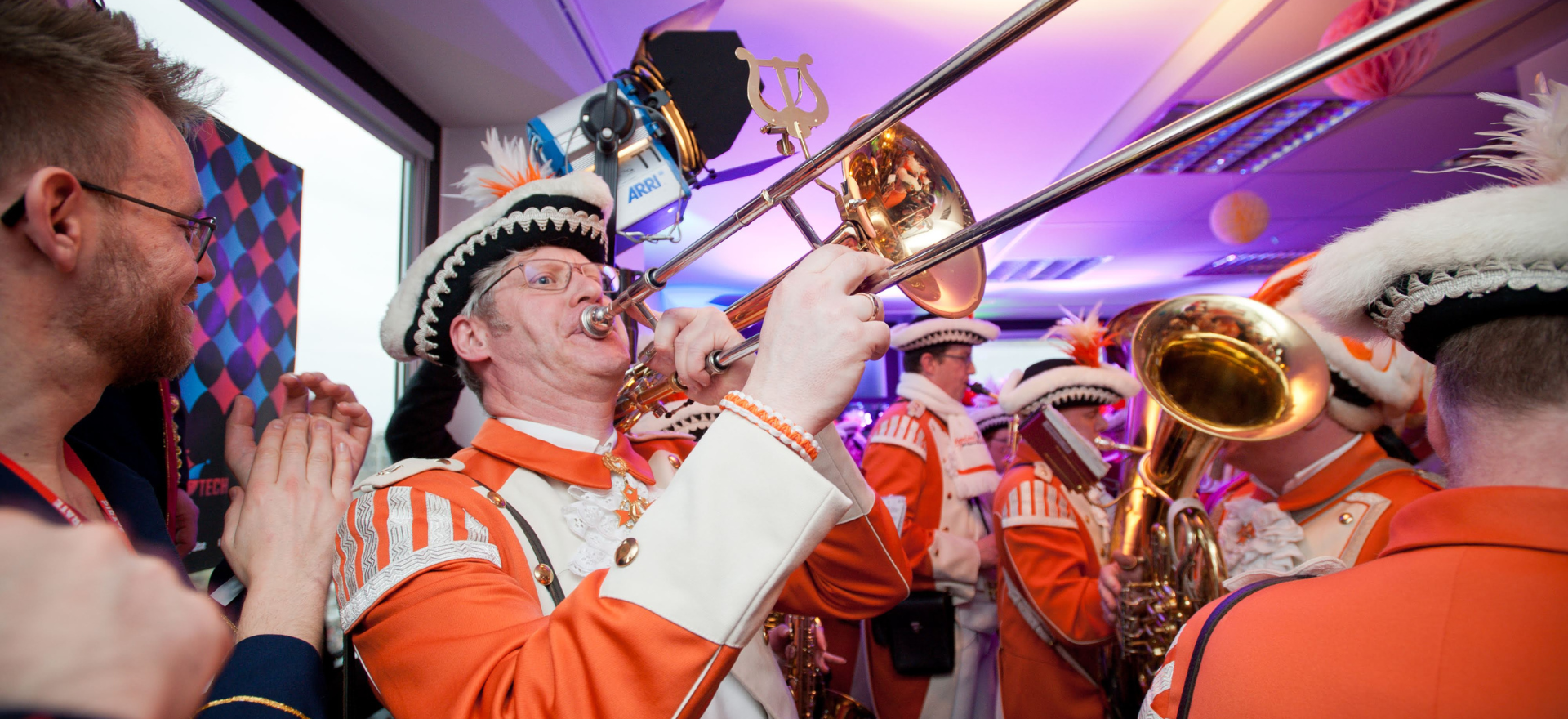
Das ABC des Karnevals "" was du wissen musst, um Karneval in Köln zu feiern
Willst du den Kölner Karneval feiern? Hier ist ein ABC des Karnevals, mit allen Begriffen, die du zum Feiern kennen musst!
Mehr erfahren
Event-Community: Warum du eine aufbauen und wie du dabei vorgehen solltest
Willst du eine Event-Community aufbauen? Erfahre, warum der Aufbau einer Event-Community der Schlüssel zum Erfolg ist.
Mehr erfahren
Best Of Events: Alles Alte ist wieder neu
Die Messe "Best of Events" bringt jedes Jahr die Top-Dienstleister der Branche zusammen, um zu zeigen, was im Bereich der Live-Kommunikation Trend ist.
Mehr erfahren
2023: Es ist Zeit, phygital zu werden!
Es ist an der Zeit, einen Blick auf die Trends der Eventbranche im Jahr 2023 zu werfen: Ist es Zeit für Phygital?
Mehr erfahren
Vorhersagen für die Veranstaltungsbranche 2022: was wir falsch gemacht haben
At the start of the year, we made some predictions on how the events industry will evolve in 2022. Here is a recap of those we got wrong.
Mehr erfahren
Eventtech: keine Veranstaltungsbesuche mehr als Zebra
Der Einsatz von Veranstaltungstechnik kann eine einfache Möglichkeit sein, Veranstaltungsbesuche interessanter zu gestalten.
Mehr erfahren
2022: Der große Reset der Veranstaltungsbranche
Während Eventtech derzeit einen Reset erlebt, ist zu erwarten, dass Events im vierten Quartal 2022 einen großen Aufschwung erleben werden.
Mehr erfahren
Inklusive Events: was #KeepFestivalsHybrid für dich bedeuten sollte
Das Thema der barrierefreien und inklusiven Veranstaltungen steht in letzter Zeit in der Veranstaltungsbranche im Mittelpunkt.
Mehr erfahren
Warum wir auf deine Event-Plattform verzichtet haben
Für das Wachstum deiner Event-Plattform ist es wichtig, sich auf dem Markt zu profilieren. Beachte dies, wenn es um Kundenakquise geht.
Mehr erfahren
Was jeder beim Eventmarketing falsch versteht
Was ist der größte Fehler, den Veranstaltungsplaner beim Eventmarketing machen? Die Veranstaltung zu spät zu bewerben!
Mehr erfahren Events: Das "Warum" des Zusammenkommens
Der PIRATE Summit 2022 ist ein Beispiel für die Wichtigkeit des Zusammenkommens und dem Wunsch nach menschlichen Begegnungen.
Mehr erfahren
Ein Multiversum von Metaversen "" die Zukunft der Veranstaltungen ist schon da
Wir diskutieren über unsere Erfahrungen mit JOURNEE, der Metaverse-Plattform, und sehen, wie diese die Zukunft von Events mit Metaversen definiert.
Mehr erfahren
Wenn deine Angst dazu führt, dass dein Publikum etwas verpasst
Die Hektik des Sommers kann für Veranstaltungsorganisatoren eine stressige Zeit sein. Verpasst Ihr Publikum etwas, weil Sie Angst haben?
Mehr erfahren
Sommer 2022: Eine Abrechnung für EventTech-Unternehmen
Seit Beginn des Sommers 2022 haben sich die virtuellen Veranstaltungen deutlich verlangsamt. Was bedeutet das nun für den Markt der Veranstaltungstechnik?
Mehr erfahren
Warum hybride Veranstaltungen ein Muss für deine Erlebnismarketingstrategie sind
Hybride Veranstaltungen sind mit der Kombination aus persönlichem und digitalen Engagement ein Muss für jede Eventstrategie geworden.
Mehr erfahren
Über Daten und Diversifizierung
Wir diskutieren über den wachsenden Fokus auf Daten und die Diversifizierung von Events zu ganzjährigen Community-Modellen. [Event-Trends]
Mehr erfahren
Erfahrung geht vor Ergebnis: Bekommen deine Teilnehmer:innen das, wofür sie gekommen sind?
Bekommen Deine Event-Teilnehmer das, wofür sie gekommen sind? Entspricht das Erlebnis dem, was du erwartet hast?
Mehr erfahren
Die 6 wichtigsten Merkmale einer virtuellen Veranstaltungsplattform im Jahr 2022
Diese 6 Schlüsselfunktionen einer virtuellen Veranstaltungsplattform sind unerlässlich, um ein unvergessliches Erlebnis zu schaffen.
Mehr erfahren
Plane deine Veranstaltungen nicht wieder so, als ob es 2019 wäre!
Die gleiche Veranstaltung aus dem Jahr 2019, neu verpackt für das Jahr 2022, wird beim Publikum von heute nicht mehr funktionieren.
Mehr erfahren
10 Spezialeffekte damit deine Veranstaltung heraussticht
Bist du auf der Suche nach Wegen dein Event interessanter zu machen? Hier sind 11 Spezialeffekte, die du in deinen Veranstaltungen integrieren kannst.
Mehr erfahren Trage dazu bei, dass deine Veranstaltungen die Umwelt weniger belasten
Events können einen großen Einfluss auf die Umwelt haben. Zum Earth Day 2022 ist hier ein Leitfaden für deine nachhaltige Veranstaltung.
Mehr erfahren
8 Metaverse Plattformen die du nicht verpassen solltest!
Das Metaversum hat sich zu einer Möglichkeit für Eventorganisatoren entwickelt. Was ist das Metaverse? Hier sind 8 Metaverse Plattformen zu probieren.
Mehr erfahren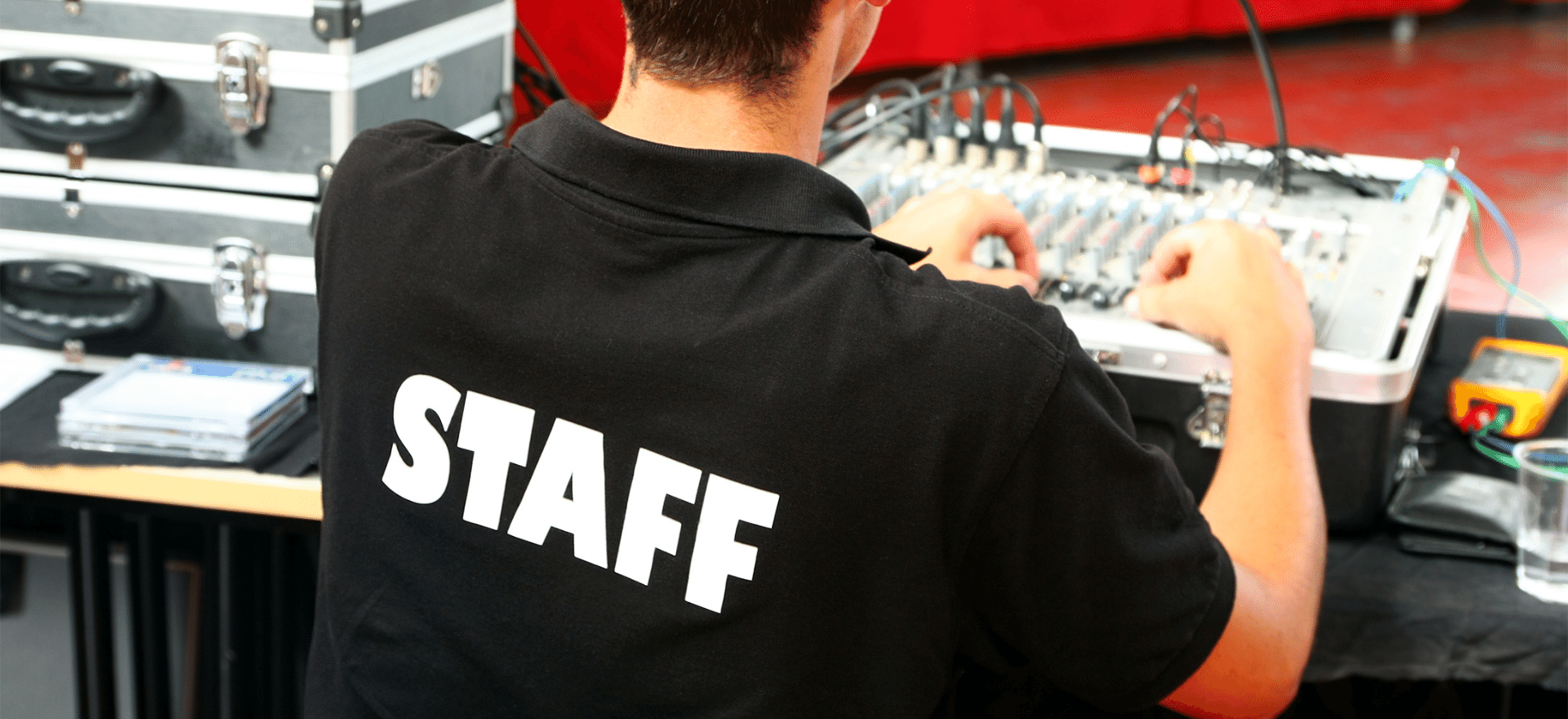
Der Personalmangel bei Veranstaltungen ist real.
Der Personalmangel bei Veranstaltungen hat in den letzten Monaten zugenommen... Aber was sagt die Veranstaltungsbranche dazu?
Mehr erfahren
50 Eventlocations in NRW die du unbedingt besuchen solltest!
Du suchst noch eine passende Eventlocation? Egal was für ein Event du planst, hier findest du unsere 50 liebsten Eventlocations in NRW.
Mehr erfahren
6 CO2-Rechner um Klimaneutrale Events zu organisieren
Dir liegt die Problematik des Klimawandels am Herzen & du möchtest daher selbst Klimaneutrale Events erschaffen? → 6 CO2-Rechner zu probieren!
Mehr erfahren
Was uns "Petrolheads" über digitale Events verraten können?
Was bedeutet diese Rückkehr zu Präsenzveranstaltungen für digitale Events? Das können Sie von Barrett-Jackson lernen!
Mehr erfahren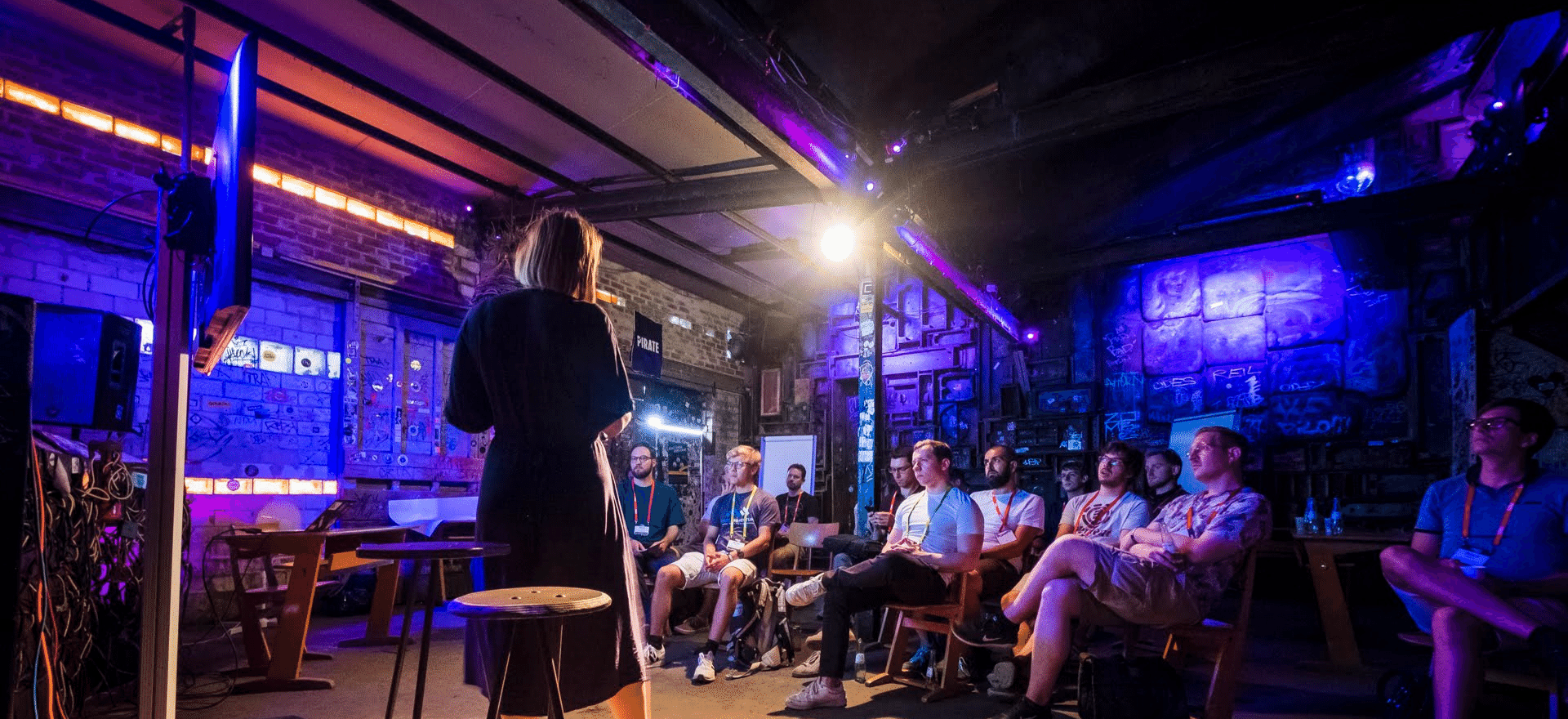
5 Tipps zur erfolgreichen Integration digitaler Komponenten bei physischen Events
Das Digitale ist noch nicht vorbei. Digitale Komponenten in Ihren Veranstaltungen können das Engagement der Teilnehmer steigern!
Mehr erfahren
6 Tipps für nachhaltige Events
Nachhaltige Events zu produzieren und zu gestalten ist ein herausfordernder Prozess. Hier findest du unsere 6 Tipps für nachhaltige Events.
Mehr erfahren
10 Eventmarketing Tipps zur Steigerung der Reichweite deiner Veranstaltung
Du hast ein tolles Event geplant und fragst dich jetzt wie du dieses in die Welt tragen kannst? Hier sind unsere Top 10 Eventmarketing Tipps.
Mehr erfahren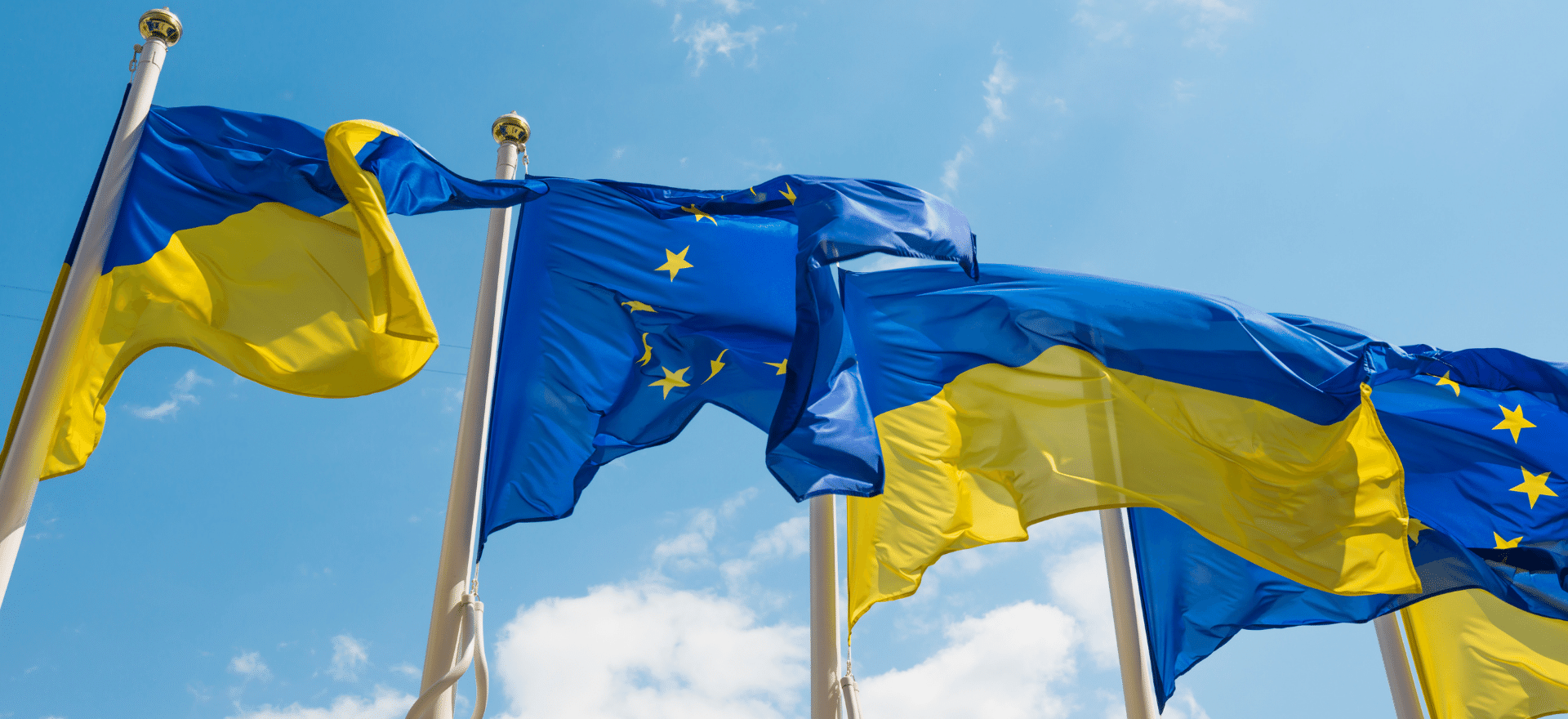
Die Veranstaltungsbranche unterstützt gemeinsam die Ukraine
Hier ist, wie die Veranstaltungsbranche ihre Unterstützung für die Ukraine gezeigt hat, und wir teilen ein paar News aus der Messebranche.
Mehr erfahren
Wie man bei einer Online-Veranstaltung erfolgreich vorträgt und präsentiert
Lies weiter, um zu erfahren, welche 6 Tipps dir helfen können, deinen Online-Vortrag zu einem vollen Erfolg zu machen.
Mehr erfahren
So verhinderst du den "Clash of generations" bei deiner Hybridveranstaltung
Die Generation Z tritt in die Arbeitswelt ein. Was das für alle #eventprofs bedeutet, wenn es um die Gestaltung hybrider Event-Erlebnisse geht.
Mehr erfahren
Wie kann man Networking bei einer hybriden Veranstaltung fördern?
Networking ist der wichtigste Teil einer Messe. Hier sind 7 Tipps, wie du das Networking bei einer hybriden Veranstaltung fördern kannst.
Mehr erfahren
Events im Metaverse im Jahr 2022: Unsere Eindrücke
Die Veranstaltungsbranche im Jahr 2022 ist auf eine Sache fokussiert: Wie kann man Events im Metaverse veranstalten?
Mehr erfahren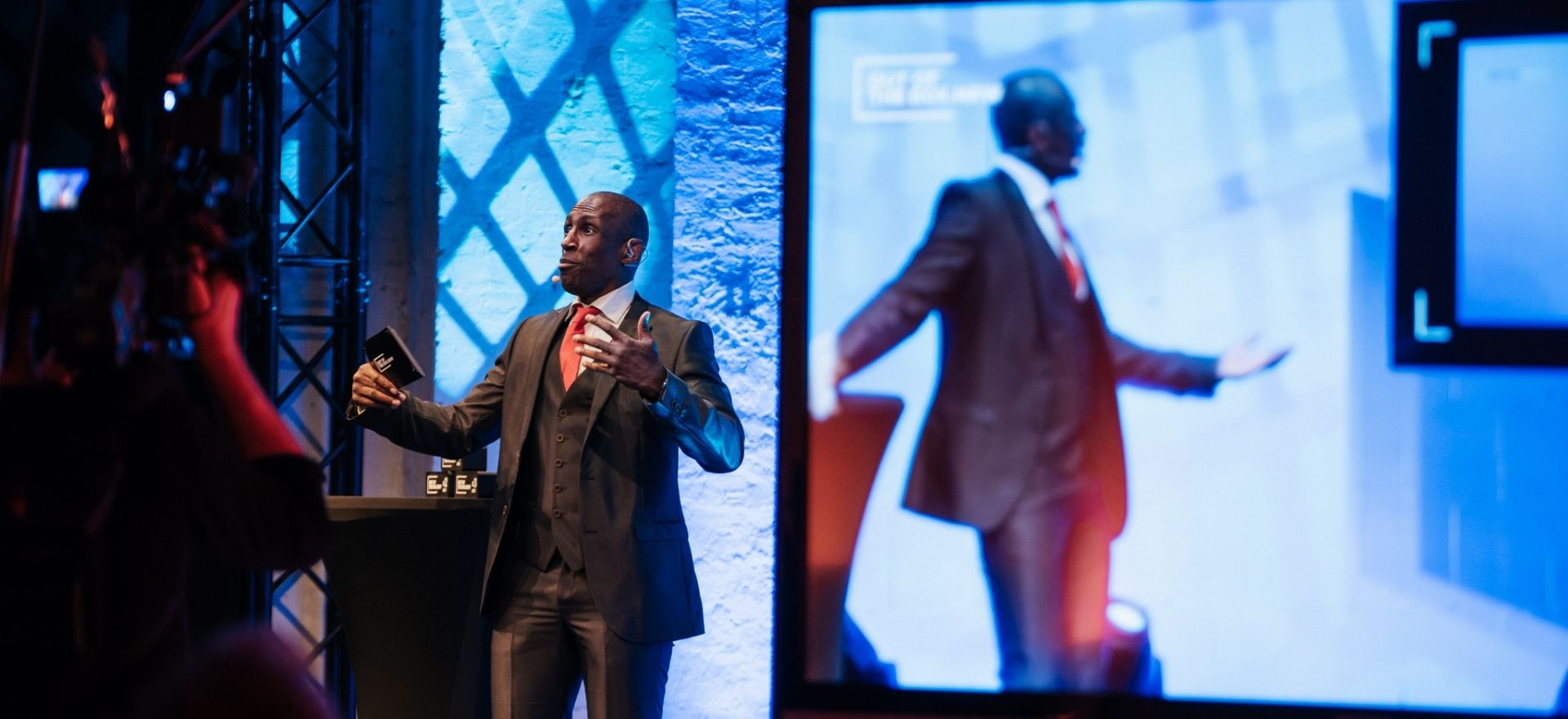
Was bedeutet Hybrid im Jahr 2022?
Was bedeutet "Hybrid" im Jahr 2022? Das Thema Hybrid-Events verwirrt Eventprofis immer noch, hier sind unsere Gedanken dazu.
Mehr erfahren
Explodierende Kosten, Stornierungen und Personalmangel: Willkommen bei den Veranstaltungen im Jahr 2022
Die Pandemie geht 2022 weiter. Hier finden Sie alles, was Sie über ihren Einfluss auf die Veranstaltungsbranche im Januar 2022 wissen müssen.
Mehr erfahren
2022: Gestalte dein eigenes Abenteuer!
Bereit für 2022? Ein Blick auf die Ereignisse dieses Jahres und einige Neuigkeiten über die Veranstaltungsbranche im Jahr 2022!
Mehr erfahren
Wie sieht deine 365-Strategie aus?
Eine konkrete 365-Strategie ist der Schlüssel für die Entwicklung deiner Veranstaltungen und für ein optimales Erlebnis für deine Teilnehmer.
Mehr erfahren
Die Woche, in der sich alles änderte
Mit dem erneuten Anstieg der Covid-Zahlen wird die Veranstaltungsbranche stark betroffen sein. Hier sind einige unserer Gedanken.
Mehr erfahren
5 Thesen zur Zukunft digitaler und hybrider Events
Hier sind 5 Thesen zur Zukunft von hybriden und digitalen Events, die auf unserer Erfahrung als Eventagentur basieren sind.
Mehr erfahren
5 Möglichkeiten, wie du deine Produkte durch eigene Online-Events präsentieren kannst
Online-Events bieten dir verschiedene Möglichkeiten, neue Produkte in Echtzeit zu bewerben. Hier sind 5 Wege, wie du das schaffen kannst.
Mehr erfahren
5 Tipps, wie du Online-Messen erfolgreich für dein Unternehmen nutzen kannst
Hier sind 5 Tipps, die Sie nutzen können, um das Beste aus digitalen und/oder hybriden Messen für Ihr Unternehmen herauszuholen.
Mehr erfahren
5 versteckte Herausforderungen für dein Budget bei hybriden Events
Hier sind 5 versteckte Kosten, die du als Organisator:in von hybriden Veranstaltungen im Auge behalten musst.
Mehr erfahren
5 Ansatzpunkte, um dein Event "hybrid" zu machen
Wir teilen 5 wichtige Ansatzpunkte, an denen du ansetzen kannst, um dein Event mit hybriden Elementen anzureichern! | Hybrid Event
Mehr erfahren
Was Event-Profis von Twitch lernen können
Twitch ist eine großartige Plattform, wenn es um das Engagement geht. Hier ist, was Eventprofis von Livestreamern und Twitch lernen können.
Mehr erfahren
Ist die digitale Zeit schon vorbei?
Ist die digitale Zeit mit der Rückkehr zu physischen Veranstaltungen schon vorbei? Wir glauben nicht! [+ Event-Konzept-Workshop verschenken]
Mehr erfahren
Kann deine Veranstaltung "inklusiv" sein, ohne eine vollständig digitale Option?
Kann man von einer inklusiven Veranstaltung sprechen, wenn man keine vollständig digitale Option anbietet? [+ Event Konzept Gewinnspiel]
Mehr erfahren
Virtuelle Veranstaltungsorte müssen innovativ bleiben!
Virtuelle Veranstaltungsorte sind bald überflüssig... Hier ist der Grund! Innovation ist der Schlüssel. Mehr über die Veranstaltungsbranche.
Mehr erfahren
Rückblick auf unsere Prognosen für die Veranstaltungen 2021
Wir werfen einen Blick auf unsere Prognosen für 2021: Was haben wir richtig, wenn es um Online-, Hybrid- und Präsenzveranstaltungen geht?
Mehr erfahren
Live-Events und Messen sind zurück, aber alle bleiben bei Zoom!
Präsenzmessen sind zurück, aber viele bleiben bei digitalen Messen. Warum eigentlich?Das besprechen wir in dieser Ausgabe von The Lookout!
Mehr erfahren
Wer ist bereit, Events im Metaverse zu veranstalten?
Diese Woche diskutieren wir über die Auswirkungen des Metaverse auf die Eventbranche und wie man bei Online-Events Serendipity schafft.
Mehr erfahren
Mobile Veranstaltungs-App: Brauchst du eine?
Ist eine mobile Veranstaltungs-App die richtige Wahl für dich und dein Event? Es kommt auf die Wünsche der Teilnehmer an.
Mehr erfahren
Die Supermacht der Online-Veranstaltungen
Alle Neuigkeiten über die deutsche Messewirtschaft. Wie Online-Veranstaltungen Ihren Teilnehmern helfen, sich selbstbestimmt zu fühlen.
Mehr erfahren
Das wahre Maß von Events im Jahr 2021
Diese Woche sprechen wir über das wahre Ausmaß von Events im Jahr 2021 und wie die Zukunft der Veranstaltungsbranche aussehen wird.
Mehr erfahren
Events trotz Technik menschlich gestalten
Alles über Virtual Reality in der Veranstaltungsbranche und wie Veranstaltungen trotz der Technik menschlich bleiben können.
Mehr erfahren
Experimentieren ist alles!
Diese Woche sprechen wir über Event-Strategien, experimentieren und die Messen, die zu persönlichen Veranstaltungen zurückkehren wollen.
Mehr erfahren
Zoom: Elefant im Porzellanladen oder Elefant im Raum der virtuellen Veranstaltungen?
Wir teilen über die neue All-in-One-Plattform von Zoom, Remote Networking und ein paar Event-Marketing-Plattformen für Ihre Online-Events.
Mehr erfahren
11 Online Event Marketing Plattformen, die Sie ausprobieren sollten
Auf der Suche nach Event Marketing Plattformen für Ihr Online-Event? Hier sind 11 Event-Marketing-Plattformen, die Sie ausprobieren sollten!
Mehr erfahren
Lasst uns bei nachhaltigen Events bleiben!
Diese Woche sprechen wir über nachhaltige Events, unseren Lead Generation Workshop und teilen weitere Neuigkeiten aus der Eventbranche.
Mehr erfahren
Der CLIMATE TRANSFORMATION Summit 2021: Von Klimazielen zur Umsetzung!
Alles, was man über Klimatransformation und "CLIMATE TRANSFORMATION Summit 2021: Von Klimazielen zur Umsetzung" wissen muss!
Mehr erfahren
2021 Eventtech-Landschaft für Online-Erlebnisse
Hier ist unsere 2021 Eventtech-Landschaft mit allen Tools & Lösungen, um das beste Online-Erlebnis zu schaffen! [APRIL 2021 UPDATE]
Mehr erfahren
Wie bringen Sie Ihre nächste internationale Messe online?
Eine virtuelle Messe kann Ihnen eine internationale Reichweite bringen. Hier sind 7 Gründe, auf Online-Messen zu wechseln.
Mehr erfahren
10 Dinge, die Ihre Online-Events ausbremsen können (und wie Sie diese vermeiden können)
Online-Events zu produzieren ist nicht so einfach, wie es scheint. Finden Sie die 10 häufigsten Fehler heraus, die Organisatoren machen,
Mehr erfahren
Hybride Events: Alles, was man für 2021 wissen muss!
Hybride Events sind die Zukunft. Aber was ist eine hybride Veranstaltung für wen kommen sie in Frage? Finden Sie hier die Antworten!
Mehr erfahren
Zeit für Klimaaktion: 5 Tipps, um ein nachhaltiges Unternehmen zu werden!
Kristine Nagle, die Gründerin einer Nachhaltigkeitsberatung für Unternehmen, erzählt uns 5 Tipps, um ein nachhaltiges Unternehmen zu werden.
Mehr erfahren
Eine virtuelle Welt für ihr nächstes Event? (+10 neue 3D Virtual Events Plattformen)
3D Virtual Events Plattformen stellen eine neuartige Möglichkeit für Event-Teilnehmer und -Veranstalter dar. Hier sind 10 zum Ausprobieren!
Mehr erfahren
Warum Aussteller virtuelle Events hassen & Was Veranstalter dagegen tun können?
Die Aussteller virtueller Veranstaltungen hassen das virtuelle Format. So werden Aussteller effektiv in das Event integriert.
Mehr erfahren
30 Plattformen Für Ihre Nächste Digitale Veranstaltung, Die Sie Vielleicht Noch Nicht Ausprobiert Haben
Sie sind auf der Suche nach den passenden Tools und Plattformen für Ihre digitale Veranstaltung? Hier sind 30 Plattformen zu probieren.
Mehr erfahren 30 Platforms For Your Next Online Event That You Might Not Have Tried Yet
Are you looking for a new and innovative virtual event platform for your online event? Here is a list of 30 tools that you need to try!
Mehr erfahren
Wir stellen vor: Die Eventtech Tool-Sammlung 2021!
Wir stellen vor: das Eventtech Tool-Sammlung! Hier findest Du alle Tools, die Du für die Organisation deines nächsten Online-Events benötigst.
Mehr erfahren
Online-Event-Sponsoren: Wie kann man sie gewinnen und managen?
Sie sind auf der Suche nach passenden Online-Event-Sponsoren? So können Sie Ihre Sponsoren erfolgreich in Ihre Online Event integrieren.
Mehr erfahren
Online-Event Marketing: Wie kann man eine virtuelle Veranstaltung effektiv bewerben?
Wie kann man eine virtuelle Veranstaltung erfolgreich bewerben? Hier finden Sie alle Marketing-Grundlagen, die Sie beachten müssen!
Mehr erfahren
Warum Sie Online Events In Betracht Ziehen Sollten? Top 8 Gründe Für Den Umstieg Auf Online Events!
Sie möchten alles über die Umstellung auf Online-Events erfahren? Lesen Sie hier die Top 8 Gründe für Ihren Umstieg auf Online-Events.
Mehr erfahren