
01
Review the use
Which formats, how often and with how many people? Who operates the studio? We assess existing rooms, equipment, acoustics and working practices.
Build a studio around the conversations and pictures you want to share. We design the room, lighting, sound and camera setup for recurring formats, with training for the people operating it.
If your team produces regularly, a studio may simplify preparation. It also creates responsibilities for operation, maintenance, licences and IT approval. We examine those requirements before recommending equipment.
 Project partner
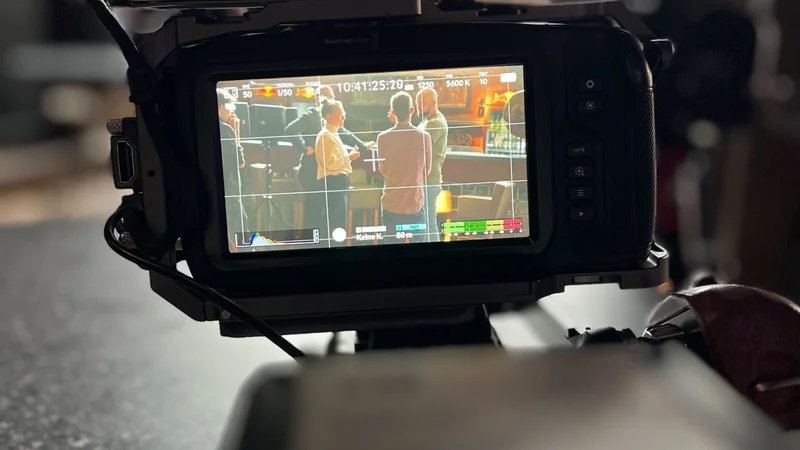
PIRATEx developed and directed a two-stage hybrid production with Graeske Audio Visual. A permanent installation adds room design, operator routines and integration with your IT. We establish that installation scope with your team.
Read the project account01
Which formats, how often and with how many people? Who operates the studio? We assess existing rooms, equipment, acoustics and working practices.
02
Cameras, sound, lighting, background and transmission need to work together. The proposal defines procurement, installation and dependencies on your IT team.
03
Agreed training and documentation follow your actual formats. A named internal operator owns everyday use; support and maintenance need a separate scope.
You own room access, IT approval and daily operation. PIRATEx advises on and delivers the agreed installation. Producing individual broadcasts is separate from installing the studio. The proposal records the work, client inputs, approvals, external costs and handovers.
Explore the programme, contributors or production in more detail through the related service.
Support for individual broadcasts →Show us the room, existing equipment and intended use. We will discuss whether a fixed studio, mobile setup or external production suits your team.
Discuss the project